- Key Takeaways
- Why Choosing the Right Electrician Can Make or Break Your Business
- Understanding Certifications: Are They Really That Important?
- Selecting Local vs. National: What’s Best for Your Needs?
- Top Safety Protocols Every Business Should Demand
- The Role of Compliance in Electrical Safety
- How to Spot a Safety Compliant Electrician: Red Flags to Watch For
- Common Electrical Mistakes That Could Cost You Thousands
- Neglecting Regular Maintenance: Is It Worth the Risk?
- DIY Electrical Work: When to Put Down the Tools
- Maximizing Energy Efficiency for Your Commercial Space
- Smart Solutions: Are They Right for Your Business?
- Energy Audits: What to Expect and Why They Matter
- FAQ
- What’s the real cost of ignoring electrical safety standards?
- How often should I schedule electrical maintenance for my business?
- What should I do if my electrician refuses to provide credentials?
- Are there eco-friendly options I should consider for my commercial electrical work?
- Does a poor electrical installation affect my insurance rates?
- How can I find a reputable local electrician in Irving?
- What are the risks of DIY electrical projects?
- Can energy audits really make a difference for my business?
- Useful Resources
Key Takeaways
Finding the right commercial electrician is crucial for your business. Unreliable electrical work? It can lead to project delays and safety risks, both of which hit your profits hard.
Certifications, like state licensing, NEC compliance, and OSHA certification, play a pivotal role in ensuring that an electrician adheres to industry standards and delivers safe, dependable services.
Local electricians usually have better insights into community regulations and standards, while national firms might provide broader services. Ultimately, it all hinges on what your business specifically requires.
Following electrical safety standards isn’t just a good idea; it’s a requirement. Ignoring them could lead to fines and lawsuits, so make sure to hire an electrician who prioritizes safety protocols.
Keep in mind that regular electrical system maintenance is key. It helps you avoid costly repairs and system failures, highlighting the need for routine check-ups and inspections.
And let’s be real: DIY electrical projects can be dangerous. Errors can create safety hazards. For anything beyond the basics, it’s best to call in the experts.
An energy audit can spotlight where your energy use is inefficient and offer actionable recommendations, ultimately helping your business save money and boost energy efficiency.
Why Choosing the Right Electrician Can Make or Break Your Business
Who could’ve imagined that one choice would impact your operations so much? Selecting the right electrician is far more than a simple task; it’s a matter of survival. Picture a crucial project stumbling due to unreliable electrical work or, heaven forbid, safety issues from shoddy installations. The knock-on effects could be devastating for your finances.
Understanding Certifications: Are They Really That Important?
Whenever certifications come up, I see those eye rolls. But let’s be frank; they’re far more than just decorative documents. These certifications prove compliance with the tough standards that industry authorities set. A qualified commercial electrician possesses expertise that a novice can’t even begin to rival. Think of a contractor flaunting the right certifications as a symbol of reliability—you wouldn’t just trust anyone with your finances, would you? The same logic applies to electrical work.
Here’s a quick list of certifications to keep an eye out for:
- State Licensing: Required for commercial jobs.
- NEC Compliance: Following the National Electrical Code ensures safety.
- OSHA Certification: Confirms knowledge of safe working practices.
In reality, these credentials can save your business from costly blunders. If something goes awry, you’ll have a paper trail, meaning you won’t be left holding all the responsibility. This is not negotiable.
Selecting Local vs. National: What’s Best for Your Needs?
Now, here’s the real question: Should you go local or national for your electrical needs? Local electricians often know the ins and outs of local regulations and community standards. If you’re after someone who understands the Irving scene, hiring a commercial electrician in Irving is a smart move. They know the local infrastructure inside and out.
On the flip side, national firms can offer a variety of services and may have conveniences that local providers can’t match. So, what exactly do you need? Here’s a simplified way to think about it:
- Local: Faster response times, regional know-how.
- National: More extensive resources, possibly lower costs.
Both options have advantages, but your decision should hinge on your specific needs and deadlines.
Top Safety Protocols Every Business Should Demand
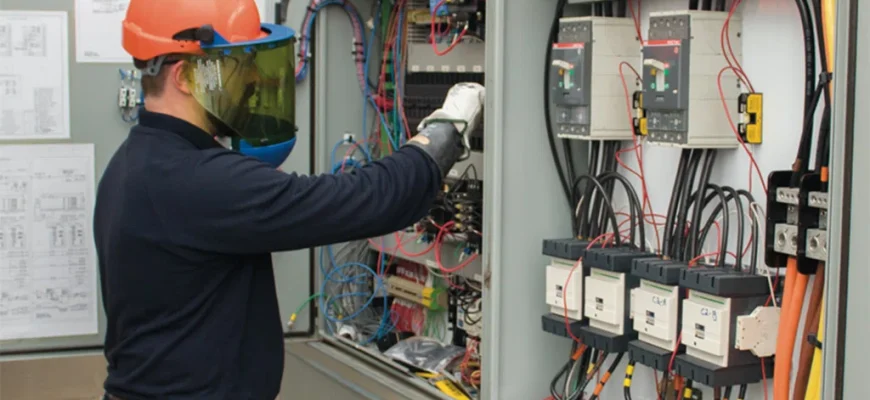
No one’s looking to play fast and loose when it comes to safety, right? It’s astounding how some people overlook the crucial safety protocols. Your electrician shouldn’t just be any ordinary worker; they should be a safety-focused specialist who won’t cut corners. After all, an electrical hazard is not only dangerous but potentially very expensive.
The Role of Compliance in Electrical Safety
Compliance isn’t just a buzzword for hype; it’s a lifeline. The law lays down a host of safety standards for commercial electrical work. Ignoring these could lead to dire consequences—think fines, lawsuits, or worse. Yet, too many in the field gamble with safety. So, what does compliance actually look like?
- Regular inspections: A must to catch problems early on.
- Correct color coding: Prevents confusion in wiring.
- Grounding systems: Shields against electric shocks.
Demanding compliance from your electrician isn’t just a nice gesture; it’s essential. Your employees deserve safe workplace conditions. Isn’t that obvious?
How to Spot a Safety Compliant Electrician: Red Flags to Watch For
You can’t read minds, so how in the world do you figure out if a contractor is safe? You can’t afford any missteps here. Stay alert for the signs. A red flag might be right in front of you. Look out for these warning signals:
- Hesitation to show credentials: If they can’t provide proof, it’s time to move on.
- Skipping inspections: Serious electricians don’t take shortcuts.
- Unrealistically low quotes: If it sounds too cheap, it’s probably too risky.
By prioritizing safety even before you sign that contract, you’re already a step ahead.
Common Electrical Mistakes That Could Cost You Thousands
Investing in electrical work isn’t merely about checking off a task; it’s about doing it right the first time. There’s a minefield of mistakes waiting to trip you up, and trust me, they’ll hit you where it hurts—in your wallet. There’s no such thing as a minor error in electrical work.
Neglecting Regular Maintenance: Is It Worth the Risk?
Imagine this: you’ve poured significant resources into your electrical system, yet you skip routine check-ups. It’s akin to buying an expensive car and ignoring oil changes. Neglect can lead to failures and costly repairs. Sometimes, being frugal isn’t just smart—it’s downright foolish.
So, what should regular maintenance entail?
- Detailed inspection of wiring and connections.
- Testing of emergency systems.
- Upgrades to align with current standards.
If you consistently invest in regular servicing, you minimize the chances of catastrophic system failures. Sounds simple, right?
DIY Electrical Work: When to Put Down the Tools
I get it—DIY is all the rage. But let’s face it, there are times when it just isn’t appropriate. Electrical work fits that bill perfectly. Mistakes can lead not only to danger but to jaw-dropping expenses. You simply can’t risk an error, especially since what seems like a straightforward task can quickly become a tangled mess.
Take replacing a light fixture. It might seem harmless enough, but wiring it wrong could spark a fire. Instead, keep these guidelines in mind:
- Tackle only simple tasks: Change a bulb, definitely. Rewiring? No chance.
- Consult an electrician for upgrades: It’s money well spent.
- Know your limits: Recognize when to call it quits.
Don’t let pride cloud your judgment when it comes to safety and function.
Maximizing Energy Efficiency for Your Commercial Space
Looking to cut down those energy bills? Of course, you are! Maximizing energy efficiency isn’t just smart for your finances; it’s essential for the planet. With all the smarter solutions available today, why stick to outdated practices? It’s not just a trend; it’s a necessity.
Smart Solutions: Are They Right for Your Business?
Smart tech is revolutionizing the electrical landscape. Think smart meters, energy-efficient lighting, and automation systems. Initially, they may seem like luxuries, but they can actually save you a fortune over time. Ignoring these advancements? You’re leaving money on the table.
But how can you figure out what’s right for your business?
- Evaluate your current energy usage: Get a handle on how much energy your business consumes.
- Research the options available: Different needs require different solutions.
- Seek expert advice: Tailored recommendations are invaluable.
Overlooking the costs of not employing smarter solutions could haunt you long after the books close.
Energy Audits: What to Expect and Why They Matter
Have you ever had an energy audit? If you haven’t, you’re missing out on a valuable opportunity. An audit helps identify inefficiencies in your current systems, providing insights on where you can save money—all supported by solid data. It can really open your eyes.
So, what should you expect during an energy audit?
- A complete analysis of energy usage.
- Suggestions for improvements.
- Long-term savings outlook.
In simple terms, think of an energy audit as a strategic investment that could pay off big-time. It’s worth every cent.
Ultimately, just like with pretty much everything in life, knowledge is power. If you don’t take the initiative regarding your electrical choices in your Irving business, you’re essentially rolling the dice on your future. Make smart, informed decisions. The success of your business rides on it.
FAQ
What’s the real cost of ignoring electrical safety standards?
It’s not just a slap on the wrist; neglecting safety standards could lead to fines, lawsuits, or, even worse—potential disasters. Beyond the immediate costs, think about the lasting damage to your business’s reputation. Can you really afford to gamble with safety?
How often should I schedule electrical maintenance for my business?
Regular maintenance is not a “when I feel like it” kind of deal—aim for at least once a year, if not more frequently depending on your usage. This proactive approach allows you to spot potential issues before they morph into major headaches.
What should I do if my electrician refuses to provide credentials?
Run away. Seriously, if they can’t back up their claims with proof, that’s a glaring warning sign. You wouldn’t hire a chef who can’t show their culinary degree, right? Don’t compromise your electrical safety for someone who lacks credentials.
Are there eco-friendly options I should consider for my commercial electrical work?
Does a poor electrical installation affect my insurance rates?
You bet it does. Poorly executed installations can drive up your premiums or even lead to denial of coverage if an incident arises due to negligence. Just imagine—the insurance company won’t be thrilled if you’re cutting corners on safety.
How can I find a reputable local electrician in Irving?
Word-of-mouth is invaluable. Check out reviews and get recommendations from fellow business owners. Additionally, look for someone actively involved in the community. A true local pro is much less likely to cut corners in their own backyard.
What are the risks of DIY electrical projects?
Sure, DIY sounds enticing, but just one wrong move can transform a simple task into a perilous situation. You might end up causing expensive damage or, worse yet, jeopardizing lives. Understand your boundaries—let common sense take precedence over pride.
Can energy audits really make a difference for my business?
Absolutely. Energy audits can reveal inefficiencies you might have missed, helping you save money while boosting operations. If you’re not scheduling one, you’re certainly passing up potential savings—and that’s not a smart move for any business.
Useful Resources
- National Fire Protection Association (NFPA)
- Occupational Safety and Health Administration (OSHA)
- International Electrotechnical Commission (IEC)
- National Electrical Manufacturers Association (NEMA)
- American Council for an Energy-Efficient Economy (ACEEE)
- U.S. Department of Energy
- U.S. Environmental Protection Agency (EPA)
- International Association of Electrical Inspectors (IAEI)
- American Council for an Energy-Efficient Economy (ACEEE)