
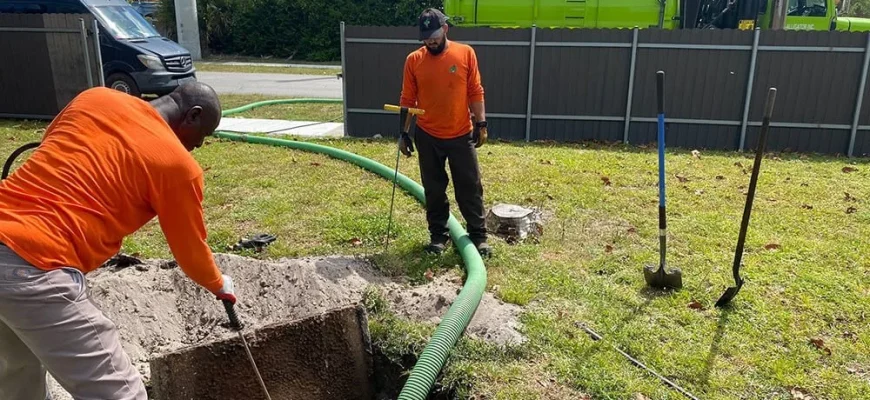
A properly functioning septic system does more than manage household wastewater. It plays a crucial role in protecting the surrounding environment, groundwater supplies, and public health. When homeowners prioritize regular septic tank cleaning, they are not only maintaining their property but also contributing to environmental preservation.
Septic systems are designed to treat and filter wastewater safely before it reenters the soil. However, without consistent septic tank cleaning, solid waste accumulates, reducing system efficiency and increasing the risk of leaks or overflow. These failures can have serious environmental consequences. Understanding the ecological impact of proper maintenance highlights why routine septic tank cleaning is essential for sustainable living.
Protecting Groundwater and Local Water Sources
One of the most significant environmental benefits of proper septic tank cleaning is the protection of groundwater. Many homes rely on groundwater as a primary source of drinking water. When septic systems fail due to neglect, contaminants such as bacteria, nitrates, and harmful pathogens can seep into the soil and eventually reach underground water supplies.
Routine septic tank cleaning removes accumulated sludge and prevents overflow, reducing the risk of untreated wastewater escaping into the surrounding environment. A well-maintained system allows natural filtration processes within the soil to work effectively, neutralizing harmful microorganisms before water reenters aquifers.
Surface water sources such as lakes, rivers, and streams are also vulnerable. If wastewater leaks from an overfilled tank, runoff during rainfall can carry pollutants into nearby water bodies. This contamination can lead to algae blooms, fish population decline, and degradation of aquatic ecosystems. Regular septic tank cleaning minimizes these risks by ensuring the system continues to operate as intended.
Communities with high concentrations of septic systems are particularly sensitive to maintenance practices. When multiple systems are neglected, the cumulative environmental impact can be substantial. Consistent septic tank cleaning across households helps maintain overall water quality and supports healthier ecosystems.
Reducing Soil Contamination and Ecosystem Damage
Healthy soil plays a critical role in filtering wastewater and supporting plant life. When septic systems function properly, soil microorganisms break down and neutralize contaminants. However, if a system becomes overloaded due to lack of septic tank cleaning, untreated waste can saturate the soil, disrupting its natural balance.
Excessive nutrient discharge, particularly nitrogen and phosphorus, can alter soil chemistry. This imbalance affects vegetation growth and may harm native plant species. Over time, contaminated soil can lose its ability to filter wastewater effectively, compounding environmental problems.
Regular septic tank cleaning prevents sludge buildup that can block drainage and cause effluent to surface. When wastewater reaches the ground surface, it poses immediate environmental and health risks. Proper maintenance ensures that wastewater remains underground, where natural filtration processes can occur safely.
Wildlife is also affected by septic system failures. Animals exposed to contaminated soil or water may ingest harmful bacteria or chemicals, leading to illness and disruption of local food chains. By scheduling consistent septic tank cleaning, homeowners help protect surrounding habitats and wildlife populations.
Additionally, well-maintained systems reduce unpleasant odors and surface pooling that can attract insects and pests. Preventing these conditions supports a healthier outdoor environment and reduces the need for chemical pest control measures.
Lowering Carbon Footprint Through Preventive Maintenance
Preventive maintenance through regular septic tank cleaning can also contribute to reduced environmental impact in terms of energy and resource consumption. When septic systems fail, repairs often require heavy equipment, replacement materials, and extensive excavation. These processes consume fuel and generate additional carbon emissions.
By contrast, routine septic tank cleaning is a proactive approach that extends system lifespan and minimizes the likelihood of major failures. Fewer emergency repairs mean reduced use of construction materials and lower overall environmental disturbance.
Properly functioning septic systems also operate more efficiently. Efficient wastewater treatment reduces the likelihood of contamination events that require environmental remediation efforts. Cleanup operations for polluted water or soil can be resource-intensive and environmentally disruptive. Regular septic tank cleaning helps avoid these scenarios.
In some regions, poorly maintained septic systems contribute to nutrient pollution that affects large water systems. Addressing contamination on a broad scale requires significant infrastructure and treatment efforts. Individual responsibility in maintaining septic systems collectively reduces the burden on municipal resources and environmental management agencies.
Supporting Sustainable Property Management
Homeowners who prioritize septic tank cleaning demonstrate a commitment to responsible property management. Sustainable living involves minimizing environmental harm while maintaining essential systems. A properly maintained septic system aligns with these principles by safely managing wastewater without placing undue strain on natural resources.
Regular inspections and septic tank cleaning ensure early detection of potential issues. Addressing small problems before they escalate prevents environmental damage and costly repairs. This proactive approach reflects long-term stewardship of both private property and shared ecosystems.
Maintaining a septic system also preserves property value. Environmental contamination can significantly reduce land usability and market appeal. By investing in consistent septic tank cleaning, homeowners protect not only the environment but also their financial interests.
The environmental benefits of proper septic tank cleaning extend far beyond individual households. Clean groundwater, healthy soil, protected wildlife, and reduced carbon emissions all result from consistent maintenance. By committing to regular septic tank cleaning, homeowners play an active role in safeguarding natural resources and promoting sustainable community health.